
When Concrete Just Doesn’t Cut It Anymore
If you’re staring at your backyard patio and thinking, “Well… it used to look better,” you’re not alone. Cracks, chips, and stains are common signs your concrete patio has seen better days. And while it’s tempting to slap on another layer or throw a rug over the worst spots, sometimes it’s better—and smarter—to rethink the whole surface. That’s where patio pavers come in.
Unlike traditional concrete slabs that tend to crack with time, weather, and ground shifting, patio pavers are individual pieces installed with just enough flexibility to resist cracking. They also add serious curb appeal. According to the National Association of Realtors, well-designed outdoor living spaces—including paved patios—can return up to 80% of their cost at resale. So you’re not just upgrading your weekends—you’re adding long-term value to your property, too.
Why Pavers Make a Big Difference
Let’s break it down: concrete is poured all at once, which creates one solid surface. That’s great until the earth shifts, moisture seeps in, or heavy freeze-thaw cycles hit—and then it cracks. Once a crack forms, water gets in, makes it worse, and turns your once-smooth patio into a minefield of tripping hazards and patchwork repairs.
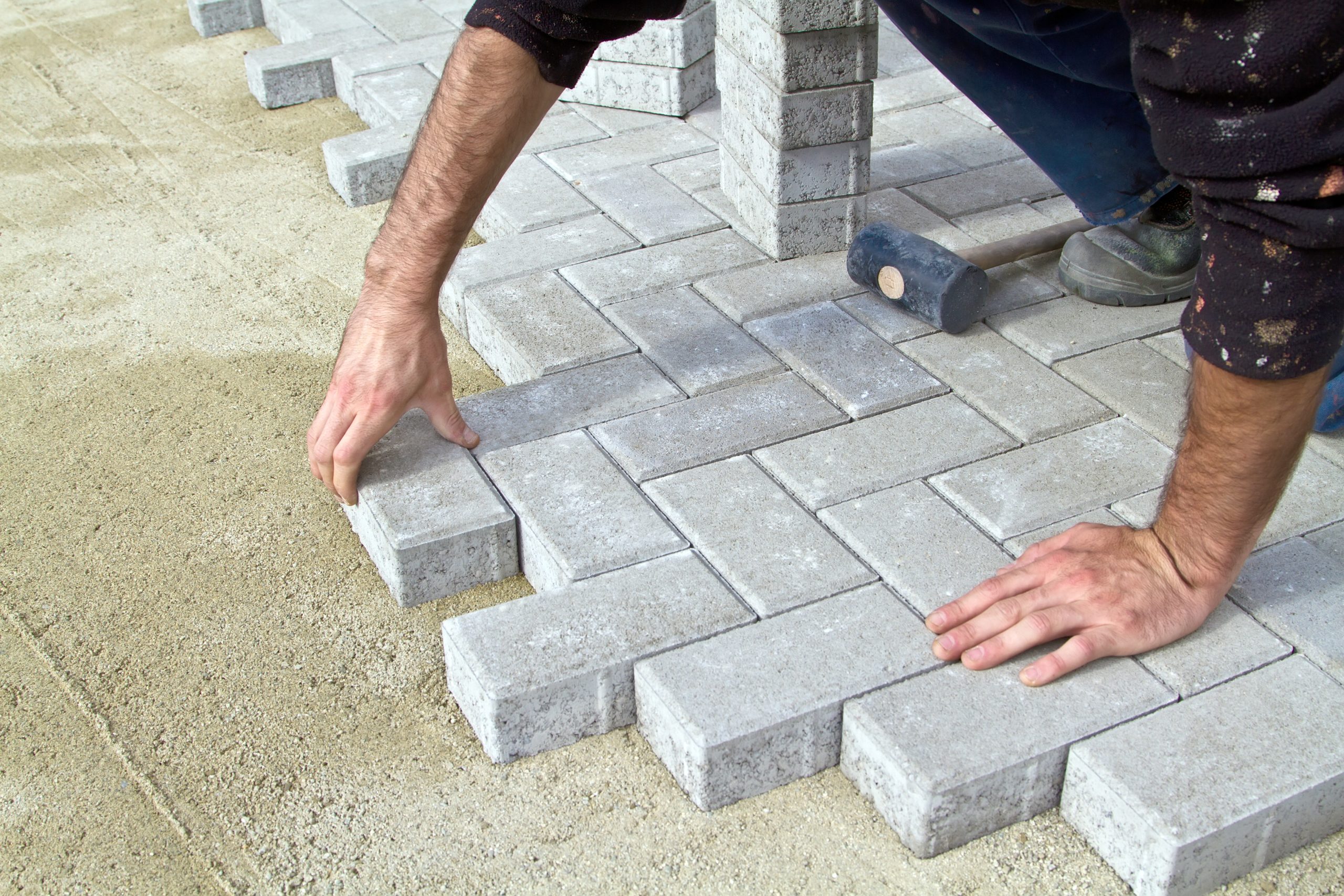
Patio pavers, on the other hand, are installed in an interlocking pattern over a flexible base. This design allows them to handle expansion, shifting, and moisture like champs. If one paver chips or gets stained? You just pop it out and replace it. No jackhammers, no full demo, and no costly concrete pours.
Plus, the design options are pretty much endless. Whether you’re going for a cozy rustic vibe or a sleek modern look, pavers let you play with colors, textures, and layouts in ways concrete just can’t.
Long-Term Maintenance (Hint: It’s Easier Than You Think)
Here’s where the upgrade really shines: maintenance. Sealing your pavers every few years helps them resist stains, moss, and UV damage. And unlike concrete, which tends to show every blemish, pavers age gracefully. Most are made from concrete, clay, or natural stone and can last 30 years or more with minimal upkeep.
So while the initial cost of installing pavers may be higher than pouring a new concrete slab, the long-term savings (not to mention less hassle) often make it the better investment. No more patching up cracks or worrying about water pooling in uneven spots—just a solid, beautiful surface that holds up over time.
If you’re ready to ditch the cracks and refresh your outdoor space, take a look at our Patio Paver Services. Interested in restoring an older surface? Our Paver Restoration Services have you covered. Looking for a total makeover? Explore our expert Concrete Services and top-rated Driveway Paving options to complete your home’s curb appeal. And when you’re ready, reach out through our Contact Page for a free, no-pressure estimate.