
The Big Question: Asphalt or Concrete?
If you’re planning to pave or upgrade your commercial property, one of the first decisions you’ll face is whether to go with asphalt or concrete. On the surface, they might look like similar options—but each one has its strengths depending on the nature of your business, your budget, and even the local climate in Delaware.
Before you break ground, it’s worth digging into how these materials differ—not just in how they look, but in how they perform, how long they last, and how much they’ll cost you down the road.
Understanding the Material Differences
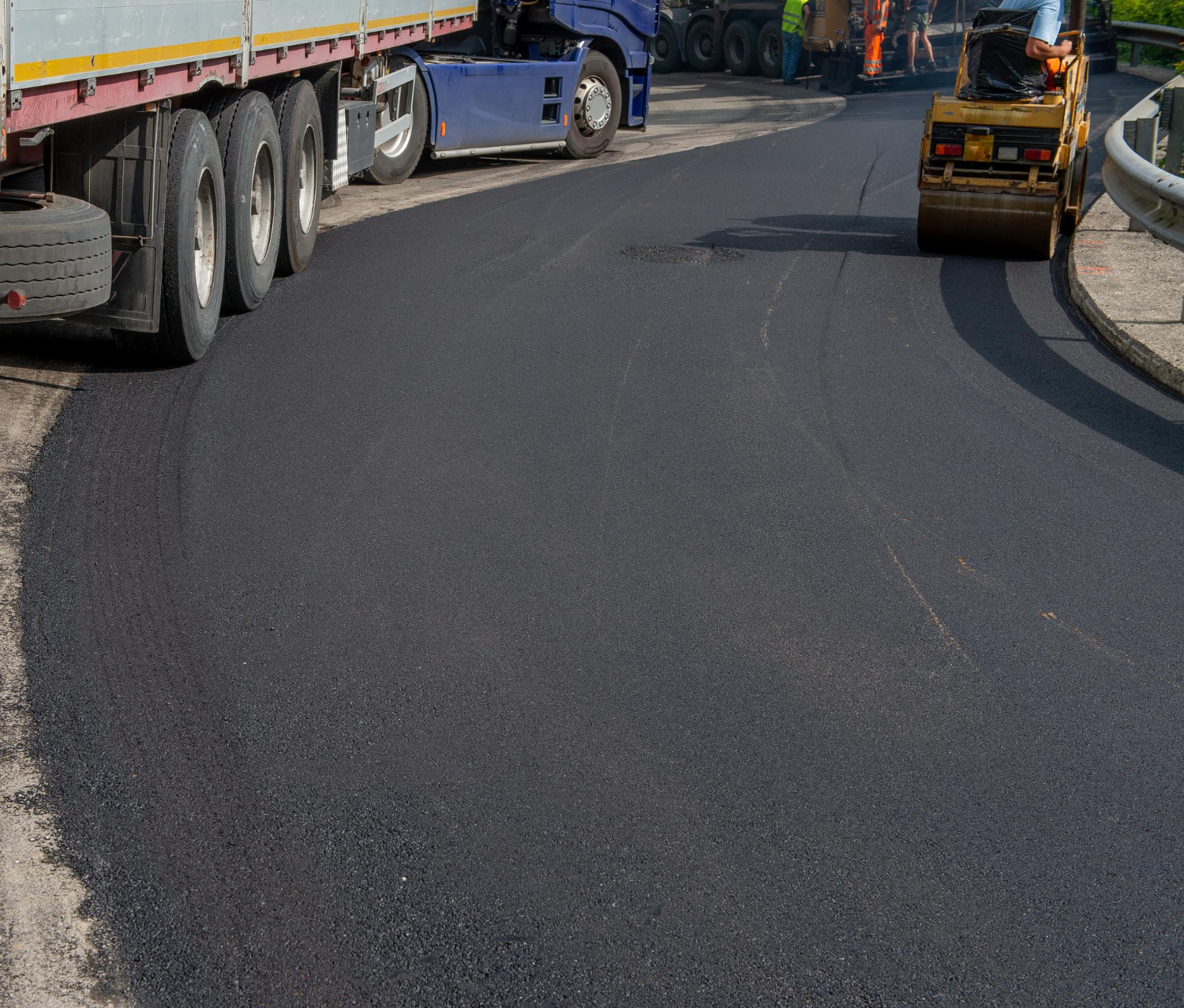
Asphalt is made from a mix of aggregates and bitumen, giving it flexibility and that deep black finish we’re all familiar with. Concrete, on the other hand, is a mixture of cement, water, and stone or sand that hardens into a more rigid surface. These material differences affect everything from installation to how they respond to traffic and temperature swings.
Asphalt Pros:
- Lower initial cost
- Faster installation (often ready in 24–48 hours)
- Easier and cheaper to repair
- Darker color helps melt snow faster in winter
Concrete Pros:
- Longer lifespan (can last 30–40 years with proper care)
- More durable in hot climates
- Low maintenance
- Better for heavy truck traffic
Consider Cost, Maintenance & Climate
If budget is your main concern, asphalt usually comes out ahead. It’s generally cheaper upfront and repairs can be done more easily without replacing large sections. That said, asphalt typically needs resealing every 3–5 years, so keep that in mind when looking at long-term maintenance.
Concrete is more expensive to install, but it can be a better long-term investment—especially in areas with high heat or heavy industrial traffic. It’s also less prone to potholes and cracks from freeze-thaw cycles, which makes it a solid option in variable climates.
In Delaware, where temperatures swing between humid summers and icy winters, you’ll want to weigh both flexibility and durability carefully. Asphalt handles cold better due to its pliability, while concrete holds up better under intense sun and heavy loads.
Think About the Type of Traffic You Get
For businesses like retail centers or office complexes, asphalt might be the way to go—it’s clean, cost-effective, and quick to install. But for warehouses, shipping centers, or any site with heavy-duty vehicle use, concrete may hold up better in the long run without the need for frequent patchwork.
Still not sure what surface is best for your property? Check out our Commercial Paving, New Construction Paving, Parking Lot Paving, or Commercial Concrete Paving pages for more insight and to schedule a free estimate.